
Introduction
Deep processed glass refers to flat glass that has undergone secondary manufacturing to enhance its strength, safety, aesthetics, or thermal performance. Unlike raw float glass, it can be tempered for strength, laminated for safety, insulated for energy efficiency, or customized for decorative purposes.
This guide covers the main types of it, their applications, manufacturing methods, quality standards, and tips for selecting the right supplier.
What Is Deep Processed Glass?
Deep processed glass is float glass that has been cut, polished, and treated through additional processes such as tempering, laminating, insulating, bending, coating, or printing.
It is widely used in architectural façades, balustrades, partitions, skylights, automotive windows, and interior design.
Key benefits include:
• Enhanced strength and impact resistance
• Improved safety through shatter prevention
• Better thermal and acoustic performance
• Customizable aesthetics
Types of Deep Processed Glass
Tempered Glass (Toughened Glass)
Tempered glass is heat-treated to be 4–5 times stronger than regular glass. It breaks into small, blunt pieces, reducing injury risk.
👉 Read our complete Tempered Glass Guide
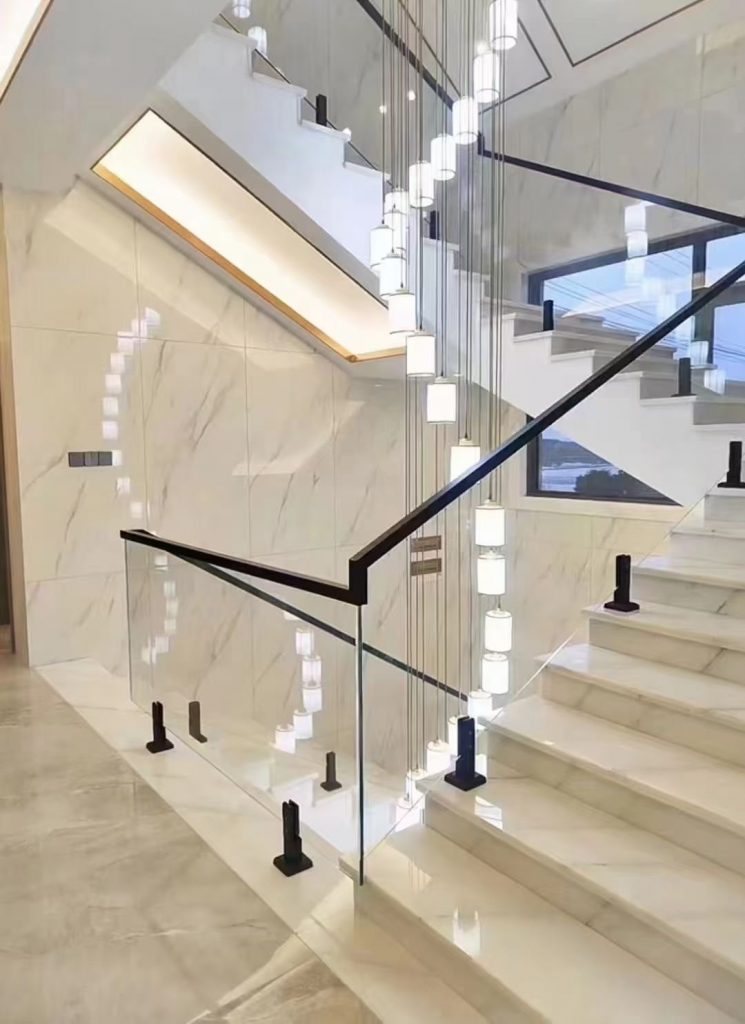
Laminated Glass
Laminated glass consists of two or more glass layers bonded with a PVB or EVA interlayer, ensuring the glass stays in place when broken.
👉 Read our complete Laminated Glass Guide

Insulated Glass (Double Glazing)
Insulated glass units (IGUs) consist of two or more glass panes separated by a spacer and sealed, providing thermal insulation and noise reduction.
👉 Read our complete Insulated Glass Guide

Decorative & Specialty Glass
Includes frosted, patterned, printed, low-E coated, and curved glass for design and energy efficiency.
Applications of Deep Processed Glass
Deep processed glass is essential for both commercial and residential projects:
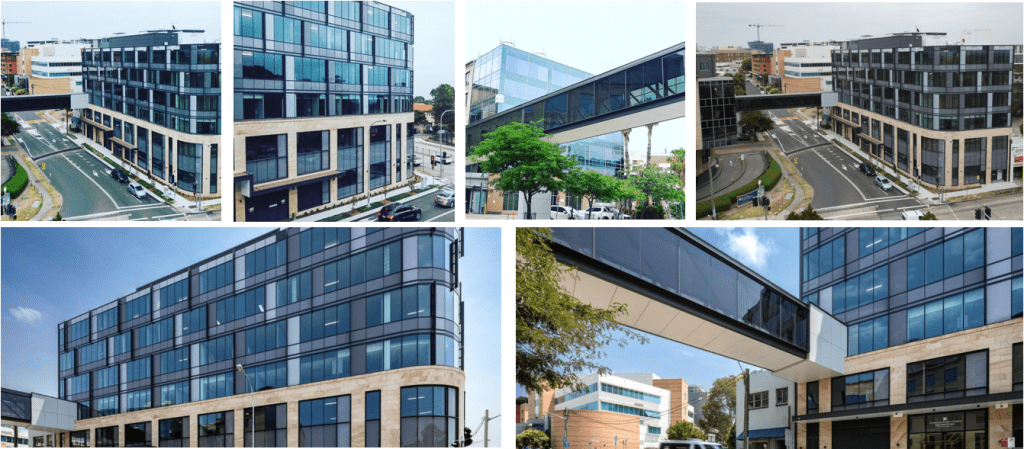
• Architectural façades & curtain walls – Strength and aesthetics for modern buildings
• Balustrades & railings – Safety and unobstructed views
• Windows & doors – Thermal insulation and soundproofing
• Skylights & overhead glazing – Safety and light transmission
• Interior partitions & decorative panels – Style and privacy
• Automotive & transportation – Durability and safety
Manufacturing Process
The manufacturing of deep processed glass involves:
1. Cutting & edging – Precise sizing and smooth edges
2. Heat treatment – Tempering or heat strengthening
3. Laminating – Bonding glass layers with interlayer films
4. Insulating – Sealing multiple panes with spacers and desiccants
5. Surface treatments – Coating, sandblasting, printing, or acid etching
6. Quality inspection – Ensuring compliance with safety and performance standards
Quality Standards & Certifications
Common certifications include:
• ISO 9001 – Quality management
• CE Marking – European market compliance
• IGCC & SGCC – Insulated glass certification
• AS/NZS – Australia & New Zealand standards
• CCC – China Compulsory Certification
Choosing the Right Supplier
When sourcing , consider:
• Product range – Ability to supply multiple glass types
• Quality control – In-house testing and certifications
• Lead time – Reliable delivery schedules
• Export experience – Familiarity with packaging and shipping glass overseas
FAQs About Deep Processed Glass
Tempered glass is heat-treated for strength, while laminated glass uses interlayers for safety and sound insulation.
No, once tempered or laminated, you cannot cut or drilled again.
Yes, IGUs significantly reduce heat transfer and improve energy savings.
Construction, automotive, marine, and interior design industries all rely on it.