
What is Low-E Insulated Glass?
Low-E insulated glass, also called Low-E IGU or Low-E double glazing, is an advanced glazing solution.
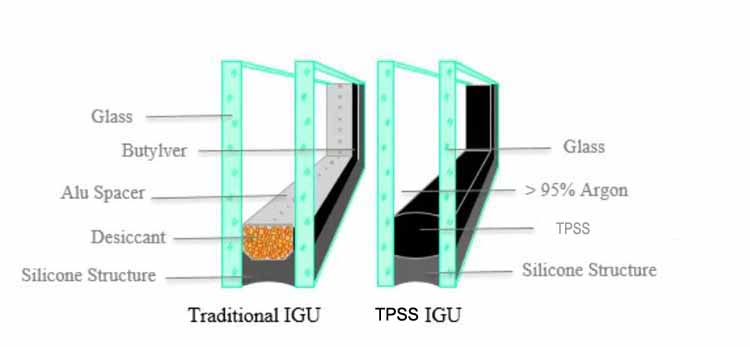
It combines low-emissivity coated glass with a sealed chamber filled with air or argon gas.
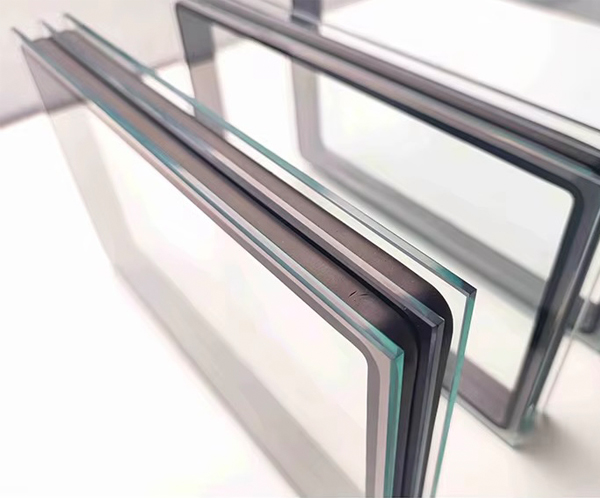
👉 Compared with standard IGU, the Low-E version has a thin metallic oxide coating. This coating reflects heat (infrared radiation) and blocks harmful UV rays while letting in natural daylight.
Other names include:
• Low-E double glazing
• Low-E IGU windows
• Low-E coated insulated glass
How Does Low-E Insulated Glass Work?
The secret of Low-E glass lies in its microscopic transparent coating:
• In summer: It reduces solar heat gain, keeping interiors cooler.
• In winter: It helps retain indoor warmth, reducing heating loss.
• Year-round: It balances daylight, insulation, and energy savings.
👉 This makes Low-E IGU one of the most effective energy-saving insulated glass options for modern buildings.

Benefits of Low-E Insulated Glass
1.	Energy Efficiency – Lower heating and cooling costs.
2.	UV Protection – Protects furniture, flooring, and fabrics.
3.	Comfort – Minimizes cold drafts and overheating.
4.	Sound Insulation – Can be combined with laminated or tempered glass.
5.	Design Flexibility – Ideal for facades, curtain walls, skylights, and windows.
Applications of Low-E IGU
•	Residential: windows, balcony glazing, sliding doors.
•	Commercial: curtain walls, glass facades, skylights.
•	Green buildings: passive houses, energy-certified projects.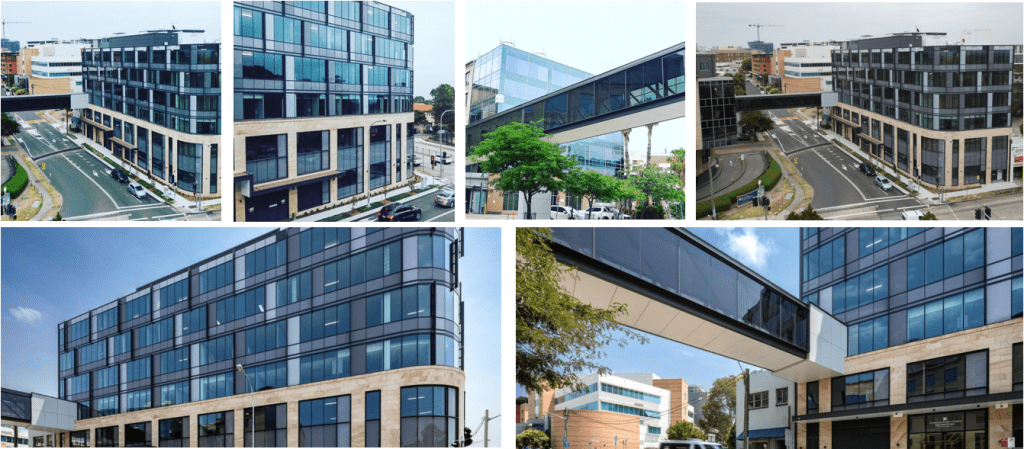
👉 For noise control, engineers combine Low-E IGU with laminated glass.
👉 For safety, manufacturers temper Low-E coated glass before assembling it into IGU.👉 For noise control, engineers combine Low-E IGU with laminated glass.
👉 For decoration, designers pair Low-E IGU with frosted or patterned glass.
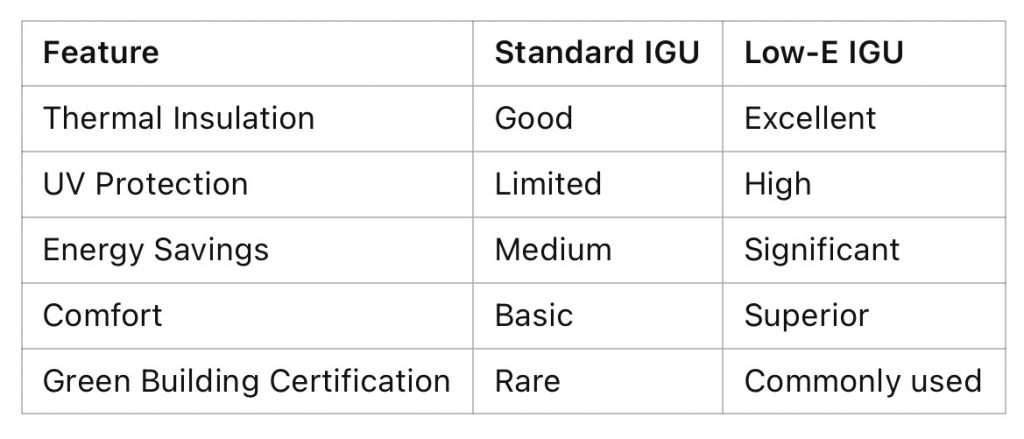
Low-E Insulated Glass vs. Standard IGU
Related Deep-Processed Glass Products
China Dowin Glass Tech Co., Ltd. provides a complete solution for architectural glazing:
• Tempered Glass – safety glass with high strength and resistance.
• Laminated Glass – safety + acoustic insulation.
• Standard Insulated Glass – thermal comfort.
• Balustrade Glass – modern railing applications.
• Shower Glass – tempered and decorative solutions.
By integrating Low-E IGU with these products, architects and builders can achieve a balance of safety, energy efficiency, and aesthetics.
FAQ
A1: Standard IGU provides basic thermal comfort, while Low-E IGU includes a special coating that reflects infrared heat and blocks UV rays. This improves energy efficiency and indoor comfort.
A2: Yes. Manufacturers temper Low-E glass for safety or laminate it for sound insulation before assembling it into insulated glass units (IGU).
A3: No. Low-E coatings let visible light pass through while blocking heat and UV rays, so interiors stay bright and natural.
A4: Builders often use Low-E IGU in residential windows, commercial curtain walls, skylights, and energy-efficient green buildings.
A5: Our Low-E IGU complies with ISO9001, CE, IGCC, SGCC, AS/NZS, CCC, ensuring international quality standards.